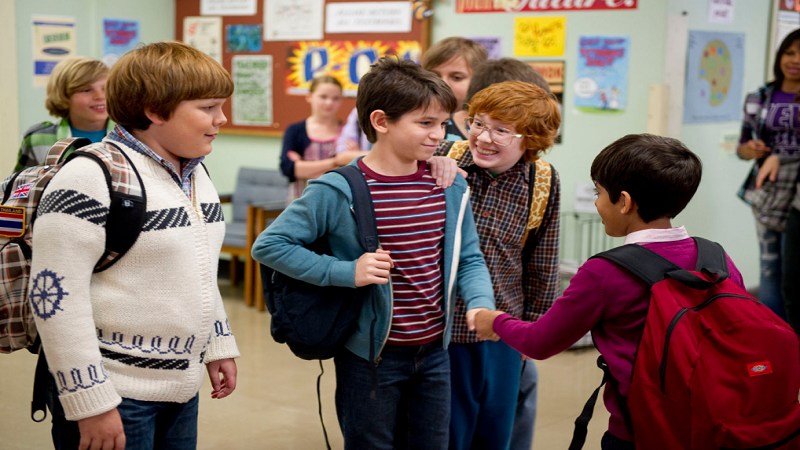
The Diary of a Wimpy Kid franchise has become a recognizable part of modern family entertainment, especially for audiences who enjoy humor rooted in everyday school life. Based on the bestselling book series by Jeff Kinney, the film adaptations bring the illustrated pages to life through relatable characters, light comedy, and simple storytelling. The Diary of a Wimpy Kid movie stands out because it reflects the awkwardness of growing up while keeping the tone friendly and accessible for younger viewers as well as nostalgic adults.
This article offers a clear and informative overview of the film, its story, characters, themes, and cultural impact, without promoting any website or platform.
Background and Origin of the Story
Jeff Kinney’s Diary of a Wimpy Kid books were originally written in a journal format, mixing simple drawings with first-person narration. This unique style allowed readers to feel as if they were reading the private thoughts of a middle school student. When the idea of adapting the books into films emerged, the goal was to preserve this diary-like feeling while expanding the story into a visual medium.
The movie adaptation closely follows the spirit of the books. Instead of turning the story into a large-scale adventure, the filmmakers focused on small, everyday problems such as fitting in at school, dealing with family, and navigating friendships. This grounded approach helped the film connect with its audience.
Plot Overview
At the center of the story is Greg Heffley, a middle school student who dreams of popularity and success but often ends up in embarrassing situations. The plot follows Greg as he records his daily experiences, from school struggles to family conflicts. He believes that one day he will become famous, and his diary will serve as proof of his early life.
Throughout the film, Greg faces challenges such as bullies, social pressure, and misunderstandings with his best friend, Rowley Jefferson. His attempts to climb the social ladder usually backfire, leading to humorous and sometimes awkward outcomes. These moments are portrayed in a way that feels familiar to anyone who has experienced school life.
Main Characters and Their Roles
Greg Heffley
Greg is the protagonist and narrator of the story. He is ambitious, imaginative, and often self-centered, but he is not intentionally mean. His flaws make him realistic and relatable, especially to young viewers who see parts of themselves in his mistakes.
Rowley Jefferson
Rowley is Greg’s best friend and the complete opposite. He is kind, innocent, and unconcerned with popularity. Rowley’s optimism often clashes with Greg’s scheming nature, creating both humor and tension in their friendship.
Susan and Frank Heffley
Greg’s parents represent two different parenting styles. Susan is supportive and encouraging, while Frank believes in discipline and toughness. Their interactions with Greg highlight the family dynamics that shape his behavior.
Manny Heffley
Manny, Greg’s younger brother, adds comic relief to the story. His ability to escape punishment and gain sympathy often frustrates Greg, reflecting a common sibling rivalry.
Adaptation from Book to Screen
One of the biggest challenges in adapting the book series was translating its illustrated diary format into a movie. The filmmakers addressed this by incorporating animated drawings and voice-over narration. These elements help maintain the original tone and make viewers feel like they are inside Greg’s diary.
The Diary of a Wimpy Kid movie stays mostly faithful to the source material, selecting key moments from the book and expanding them slightly for cinematic pacing. This balance ensures that fans of the books recognize their favorite scenes while new viewers can enjoy the story without prior knowledge.
Themes and Messages
Growing Up and Identity
A central theme of the film is the struggle to find one’s identity during adolescence. Greg’s constant desire to be popular reflects a common fear of being overlooked or misunderstood.
Friendship
The relationship between Greg and Rowley highlights the importance of loyalty and honesty. While Greg often prioritizes his own image, the story gradually shows the value of genuine friendship over social status.
Family Life
The movie also explores everyday family interactions. From dinner table conversations to parental expectations, these moments ground the story in reality and add emotional depth.
The Diary of a Wimpy Kid movie uses humor to deliver these themes without becoming overly serious, making it easy for younger audiences to understand.
Visual Style and Tone
The film’s visual style is simple and clean, matching the tone of the books. Bright colors, straightforward camera work, and occasional animated segments help maintain a playful atmosphere. The humor relies more on situational comedy than exaggerated effects, which keeps the story believable.
Music and sound design are used sparingly, allowing the dialogue and narration to carry the story. This approach supports the diary concept, as viewers feel like they are listening directly to Greg’s thoughts.
Reception and Cultural Impact
Upon release, the film received mixed to positive reviews. Critics noted its faithfulness to the source material and its appeal to younger audiences. While some felt the story was predictable, many appreciated its honesty and simplicity.
For fans of the books, seeing the Diary of a Wimpy Kid movie on screen was an exciting experience. It helped introduce the series to a wider audience and contributed to the popularity of subsequent adaptations. Over time, the film has become a familiar reference point in discussions about book-to-movie adaptations aimed at children.
Educational and Entertainment Value
Although primarily designed for entertainment, the film offers subtle lessons. It encourages viewers to reflect on their behavior, friendships, and priorities. Teachers and parents often view it as a light introduction to discussions about empathy, responsibility, and self-awareness.
The simple storytelling makes it suitable for family viewing, and its short runtime ensures that it holds attention without overwhelming younger viewers.
Viewing Guidelines
-
Age Suitability: Best for children and early teens, with content that is appropriate for family viewing.
-
Themes to Discuss: Friendship, honesty, and dealing with peer pressure.
-
Educational Use: Can be paired with reading activities or discussions about adapting books into films.
-
Tone: Lighthearted, humorous, and relatable.
Conclusion
The Diary of a Wimpy Kid movie succeeds by staying true to the everyday experiences that made the original books popular. Through relatable characters, simple humor, and realistic situations, it captures the awkward charm of growing up. While it may not offer complex storytelling, it provides an honest and enjoyable look at middle school life. For viewers seeking a straightforward and informative family film experience, this adaptation remains a memorable example of how books can be brought to life on screen.