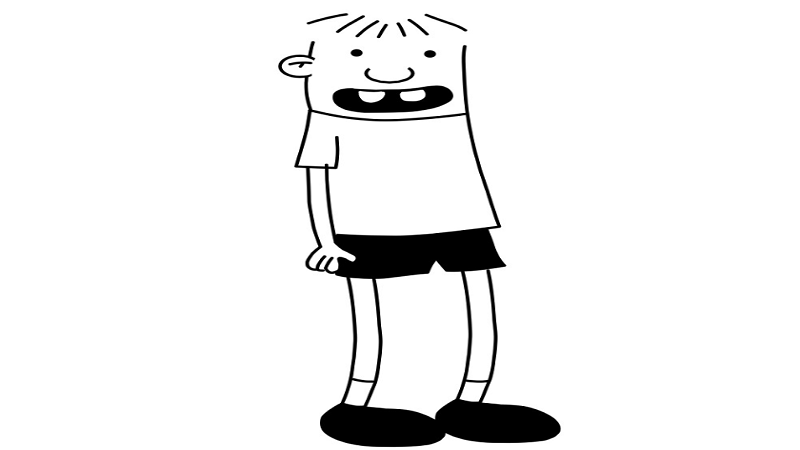
The Diary of a Wimpy Kid series has long been known for its humorous take on school life, friendships, and growing up. One of the most interesting developments in the series is the decision to tell a story from Rowley Jefferson’s point of view. In Rowley Diary of a Wimpy Kid, readers are invited to see familiar events through the eyes of Greg Heffley’s best friend. This shift in perspective adds freshness to the series while keeping the simple humor and relatable themes that made the books popular in the first place.
Who Is Rowley Jefferson?
Rowley Jefferson is Greg Heffley’s loyal, kind-hearted, and sometimes naïve best friend. Unlike Greg, who often focuses on popularity and self-image, Rowley is more optimistic and trusting. He enjoys small pleasures, believes in people easily, and tends to see the world in a positive light.
Rowley’s personality makes him a strong contrast to Greg. Where Greg can be sarcastic or self-centered, Rowley is generous and emotionally open. This difference is what makes a story from Rowley’s point of view both humorous and meaningful. Readers get to understand how differently the same events can be interpreted depending on who is telling the story.
A Fresh Narrative Perspective
One of the most important elements of this book is the change in narrator. In earlier books, readers only saw Rowley through Greg’s descriptions. Now, the story unfolds directly from Rowley’s diary, which changes the tone and emotional depth.
In Rowley Diary of a Wimpy Kid, everyday situations feel softer and more innocent. Events that Greg once described as embarrassing or annoying are often seen by Rowley as exciting or emotionally significant. This narrative shift encourages readers to think about empathy and how personal perspective shapes our understanding of others.
Writing Style and Language
The writing style remains simple and accessible, making the book easy to read for children and enjoyable for adults. Short sentences, clear language, and cartoon-style illustrations help keep readers engaged. The diary format allows thoughts to feel immediate and personal, as if Rowley is speaking directly to the reader.
The humor is gentle rather than sharp. Many jokes come from misunderstandings or Rowley’s overly sincere reactions. This style supports the overall tone of kindness and emotional honesty that defines the book.
Key Themes Explored
Friendship
Friendship is at the heart of the story. Rowley values his friendship with Greg deeply and often assumes their bond is stronger than it actually is. This imbalance creates emotional moments that are both funny and touching.
Honesty and Innocence
Rowley is honest, sometimes to a fault. He writes openly about his feelings, fears, and joys. This honesty highlights his innocence and reminds readers of the importance of being true to oneself.
Emotional Growth
While the book is humorous, it also touches on emotional growth. Rowley learns that friendships can be complicated and that people do not always treat others fairly. These lessons are presented in a gentle, age-appropriate way.
Illustrations and Visual Storytelling
Illustrations continue to play a major role in storytelling. Simple drawings complement the text and often add extra humor. Visual storytelling helps younger readers understand emotions and situations more clearly, making the book accessible to a wide age range.
The drawings also reflect Rowley’s personality. They feel lighter and less cynical compared to Greg’s diary illustrations, reinforcing the change in perspective.
Why This Book Matters
Books like Rowley Diary of a Wimpy Kid matter because they show that every story has more than one side. By giving Rowley a voice, the author encourages readers to consider how their actions affect others. This lesson is subtle but powerful, especially for younger audiences.
The book also demonstrates that being kind and emotionally open is not a weakness. Rowley’s sensitivity is portrayed as a strength, offering a positive message about empathy and compassion.
Guidelines for Readers
-
Read with an open mind: Notice how the same events feel different from Rowley’s point of view.
-
Pay attention to emotions: The book highlights feelings that are often overlooked in humorous stories.
-
Compare perspectives: Think about how Greg and Rowley interpret situations differently.
-
Reflect on friendships: Consider how honesty and kindness influence relationships.
Guidelines for Parents and Educators
-
Encourage discussion: Use the book to talk about empathy and understanding others.
-
Support emotional learning: Rowley’s experiences can help children express their own feelings.
-
Promote perspective-taking: Ask students to rewrite scenes from different viewpoints.
-
Highlight positive traits: Emphasize the value of kindness, loyalty, and sincerity.
Impact on the Series
This book expands the Diary of a Wimpy Kid universe by proving that side characters can carry meaningful stories. It adds depth to the series and shows that humor does not need to rely on negativity. By focusing on Rowley, the series becomes more balanced and emotionally rich.
Readers who are familiar with earlier books gain new insights, while new readers can enjoy the story on its own. The book stands as a reminder that every character has a story worth telling.
Conclusion
In conclusion, “Rowley Diary of a Wimpy Kid” offers a refreshing and heartfelt look at friendship and growing up. Through Rowley’s gentle voice, readers learn about empathy, honesty, and emotional awareness in a way that feels natural and entertaining. The simple language, relatable themes, and thoughtful perspective make this book a valuable and enjoyable read for audiences of all ages.